Introducción a la industria
El monitoreo de la calidad del aire está directamente relacionado con la salud pública, la gestión de operaciones urbanas y el cumplimiento ambiental, y es una parte importante de las ciudades inteligentes y los sistemas de gobernanza ecológica.
A medida que se intensifican las emisiones industriales, la contaminación del tráfico y los efectos del transporte regional, la contaminación del aire muestra características tales como fuentes complejas, cambios frecuentes y diferencias regionales evidentes.
Por lo tanto, la industria no solo se centra en las concentraciones instantáneas de contaminantes, sino que también valora el análisis de tendencias a largo plazo y la continuidad de los datos. Los sistemas de monitoreo necesitan una alta sensibilidad y estabilidad a largo plazo, y deben funcionar de manera confiable en entornos exteriores complejos, como altas temperaturas, bajas temperaturas, vientos fuertes, arena y polvo.
Al mismo tiempo, la precisión de los datos, la trazabilidad y la conexión en tiempo real con las plataformas regulatorias también se han convertido en requisitos clave en la construcción y mejora de la industria, proporcionando evidencia científica para la emisión de alertas, el rastreo de fuentes de contaminación y la toma de decisiones de gobernanza.
Prioridades clave de la industria:
- Capacidad de monitoreo continuo en línea para múltiples contaminantes
- Precisión de los datos y estabilidad a largo plazo
- Operación confiable en entornos exteriores complejos
Aplicaciones típicas
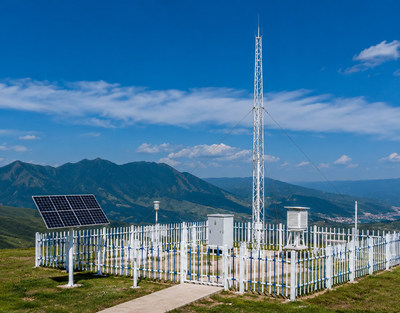
Estaciones de monitoreo ambiental:
Monitoreo de CO, NO2, SO2, O3 y otros gases
Monitoreo de material particulado:
Monitoreo de PM2.5 / PM10 y otras partículas
Parámetros auxiliares:
Sensores de temperatura, humedad y presión atmosférica que mejoran la precisión de la medición
Suitable Products

 Download Datasheet


Solutions
Environmental & Sustainability Monitoring
Supports environmental governance decisions
Meets environmental regulations and public information release needs
Safety Monitoring & Risk Protection
- Reduces environmental accident risk
- Protects the safety of the public and workers
AI Perception & Intelligent Decision-Making
- All-in-one sensors monitor multiple types of data
- Improves the intelligence level of monitoring systems